how polio transmitted
4 common points of spread that encourage the virus to multiply Oral faecal and person-to-person transmission are some of the top routes the virus uses to infect a human body. Less frequently polio transmission can occur through contact with respiratory secretions or saliva.

Pin On Infection Disease Infographics
Nature of the disease.

. The indirect methods of transmission include any traces of faecal matter of an infected person finding its way into the food and water of a healthy individual. OPV is administered orally and can be given by volunteers. Polio is a faecal-orally transmitted highly infectious disease caused by wild-type polio virus WPV types 1 2 or 3. Before the polio vaccine the disease killed thousands of people every year.
Polio also called poliomyelitis is a health condition that still affects a small handful. The virus is transmitted by person-to-person spread mainly through the faecal-oral route or less frequently by a common vehicle eg. Polio is a serious viral infection that used to be common in the UK and worldwide. It is occasionally transmitted via the oraloral route a mode especially visible in areas with good sanitation and hygiene.
The syndrome can occur up to 40 years after the initial disease. Polio is most infectious between 7 and 10 days before and after the appearance of symptoms but transmission is possible. If a person had a bad case of polio then post-polio syndrome may be more severe. Transmission occurs most often through contact with stool from an infected person eg.
Polio used to be common in the United States. Its rare nowadays because it can be prevented with vaccination. How is the disease transmitted. Today despite a worldwide effort to wipe out polio poliovirus continues to affect children and adults in parts of Asia and Africa.
Most people with polio dont have any symptoms and wont know theyre infected. The disease typically affects children. When food and water becomes contaminated. There is also evidence that flies can passively transfer poliovirus from faeces to food.
Thanks to the polio vaccine there hasnt been a new case of polio in the United States in over 40 years. Children with wheelchairs crutches leg braces and deformed limbs. 1 2 Today the majority of polio outbreaks are caused by circulating vaccine-derived polio viruses cVDPV originating from back-mutations of oral polio vaccine OPV viruses which have recovered the WPV phenotype properties of. But for some people the polio virus causes temporary or permanent paralysis which can be life threatening.
Polio is spread when the stool of an infected person is introduced into the mouth of another person through contaminated water or food fecal-oral transmission. Ad If you suspect that you might have contracted polio you should make an appointment with. It attacks the nervous system and can cause paralysis. Within Ukraine the war is making health care as a.
Polio is a contagious viral illness that in its most severe form causes nerve injury leading to paralysis difficulty breathing and sometimes death. Polio is a highly contagious disease that is spread from person to person by several methods or modes of transmission. Poliomyelitis also known as polio or infantile paralysis is a disease of the central nervous system. Symptoms include fever and headaches.
Three types of paralytic polio are Spinal Polio As the name suggests it affects the spine. Polio is a contagious disease spread by close contact with an infected person. Polio can affect people of all ages but can be prevented with vaccination. Getting vaccinated is the best way to prevent polio.
In 1949 the new polio epidemic appeared and swept through selective population centers leaving its most tragic sign. Learn here about symptoms how. Polio or poliomyelitis is a disabling and life-threatening disease caused by the poliovirus. Poliomyelitis polio is a highly infectious viral disease that largely affects children under 5 years of age.
Polio is a disease caused by a virus that affects the nervous system and is mainly spread by person-to-person contact. Transmitted primarily via feces but also through airborne droplets from person to person polio took six to 20 days to incubate and remained contagious for up to two weeks after. Diagnosis Specimens Containment. About 40 of people who previously had polio and recovered can develop post-polio syndrome.
Polio is a highly contagious viral infection. Once contracted the contagious virus resides in the infected persons intestines and throat. It can cause paralysis and death so immunisation is important to prevent polio. Polio viruses can only survive in humans and be transmitted through direct or indirect human contact.
Due to immunisation polio is very rare in Australia. Polio can also be spread by eating raw or undercooked food or drinking water or other drinks that are contaminated with the feces of an infected person. If a person had a less serious case of polio they may not get post-polio syndrome or only have a mild case. The poliovirus only occurs in humans.
For children with polio in the late 1940s the disease caused paralysis in 1 in 1000 cases of children aged 5 to 9. The rest had only mild symptoms and. The virus spreads from person to person and can infect a persons spinal cord causing paralysis cant move parts of the body. Polio vaccine is the only protection against polio.
Contaminated water or food and multiplies in the intestine from where it can invade the nervous system and cause paralysis. In the US the last case of naturally occurring polio was in 1979. OPV protects both the individual and the community it is essential to stop wild poliovirus WPV transmission. Oral-oral transmission by way of an infected persons saliva may account for some cases.
This is the most serious and rarest form of polio as it results in full or partial paralysis in the patient. Polio viruses are spread predominantly by the faecaloral route. In settings with high standards of hygiene the oraloral route of transmission may also be common. This type of polio does affect the central nervous system but does not result in paralysis.
1 day agoSuch conditions make it easy for polio to spread as it is transmitted through feces and can infect people through contaminated water or food. 1 day agoPolio is a highly contagious disease that spreads from person to person or through contaminated water. Safe and effective vaccines exist the oral polio vaccine OPV and the inactivated polio vaccine IPV.
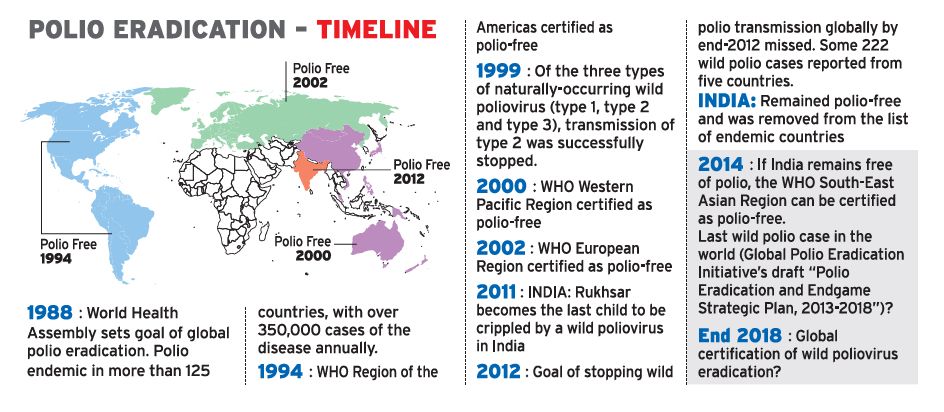
Pin Em Epidemiology 401

Pin On The Art Of Science
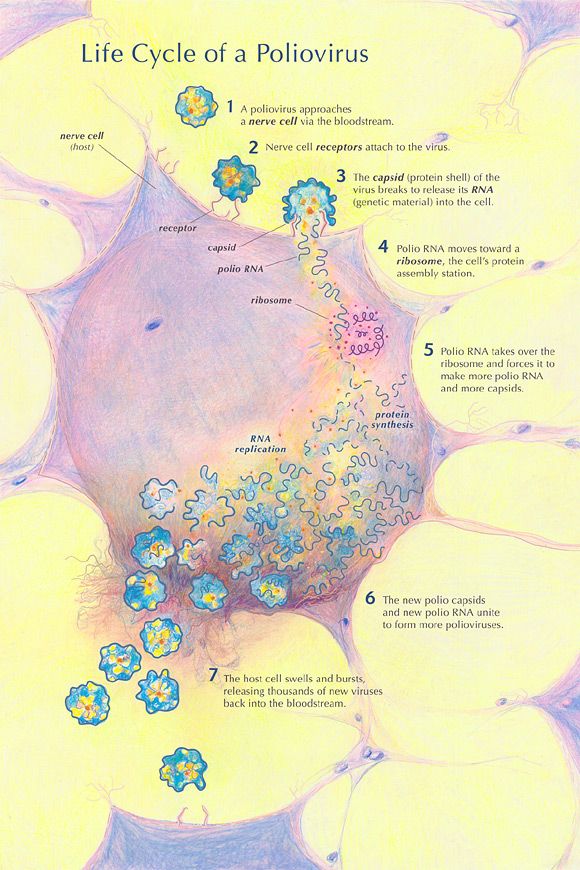
Pin On Invasion
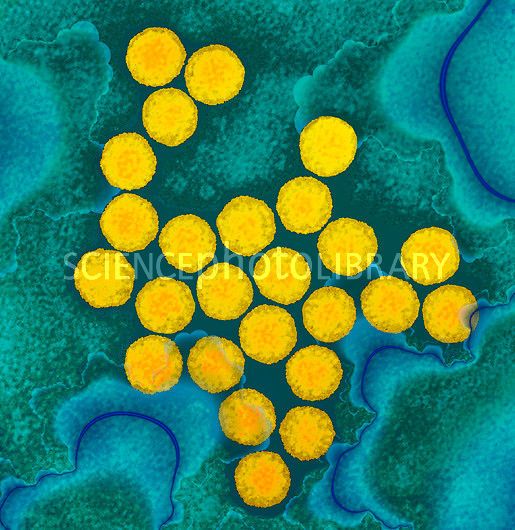
Pin On Teaching Science

Pin On Everything Nursing

Posting Komentar untuk "how polio transmitted"